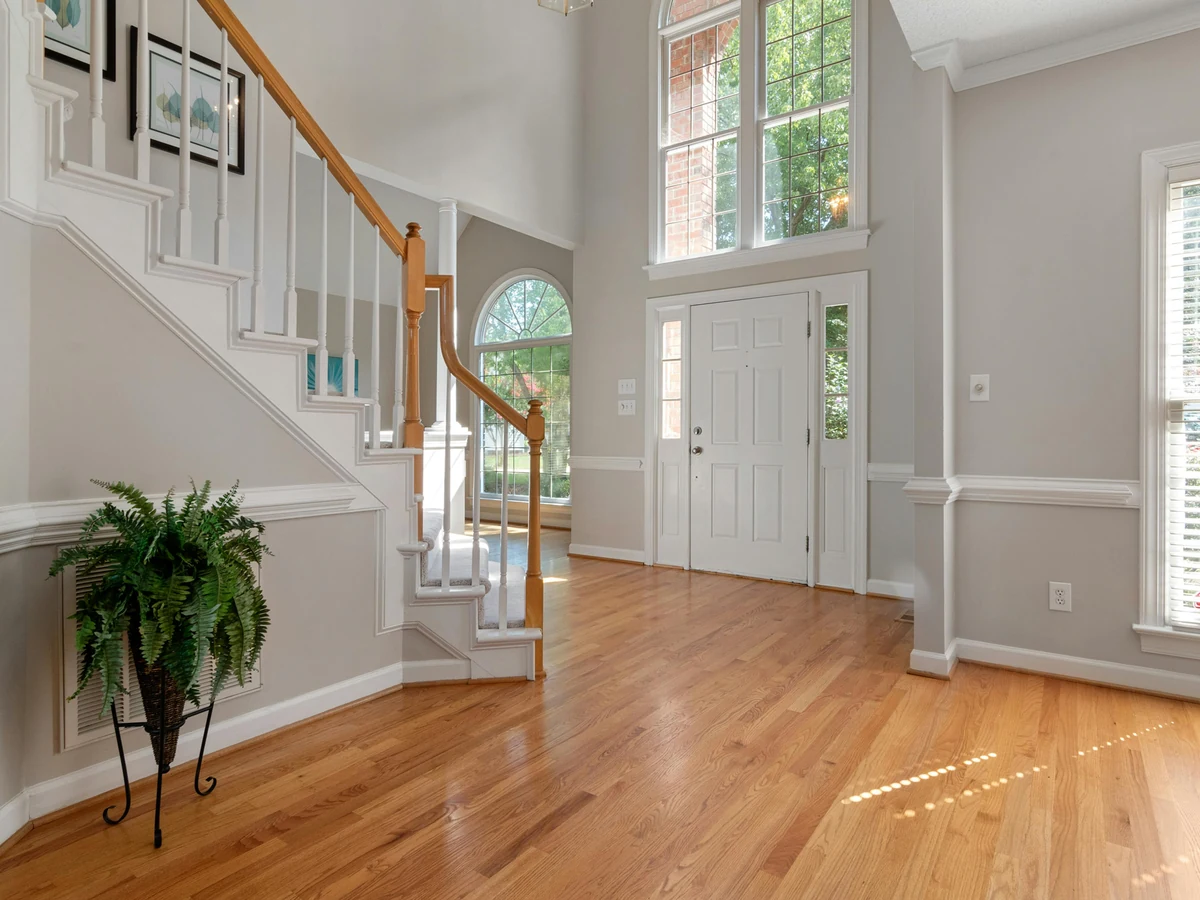
Period Property Painters in Worthing
Worthing Painters connects Worthing homeowners with trusted local period property painters across Worthing and the surrounding West Sussex coast, including Goring-by-Sea, Lancing, Rustington, Angmering, Findon Valley, Broadwater, and Shoreham-by-Sea.
- Lime plaster walls and breathable finishes
- Original cornicing, ceiling roses, and period mouldings
- Sash windows and original joinery
- Heritage paint ranges and specialist primers
Edwardian terraces on Montague Street in Central Worthing have original ceiling roses, coving, deep architraves, and picture rails. A period property repaint involves preserving these features intact. Any clumsiness with masking or splatter on moulded plasterwork can cause irreversible damage.
How Worthing Painters Works
Worthing Painters connects Worthing homeowners with a trusted local decorator.
From the first site visit to the written quote, the work, and the guarantee that backs it, everything is handled directly between you and your decorator. We make the introduction and stay on hand; they do the work and stand behind it.
Why Choose Worthing Painters
Heritage Craftsmen
Lime plaster, original joinery, and period features treated properly.
Clear Pricing
Your decorator provides a written quote for the agreed scope.
Fully Insured
Your decorator carries full public liability cover on every job.
Highly Recommended
Much of the work here comes from repeat clients and referrals.
Period Property Painting Services
Lime Plaster Walls
Original lime plaster in Victorian and Edwardian properties is breathable and needs to cycle moisture naturally. Standard vinyl emulsion traps moisture behind the paint, leading to dampness and paint failure.
Your decorator uses breathable primers and limewash or heritage paints that allow the wall to move with moisture. This is what preserves both the plaster and the finish.
Preparation is extra careful to avoid sanding through to bare lime.
Cornicing and Ceiling Roses
Period cornicing and ceiling roses are often thickened by decades of overpaint. Careful masking and hand-cutting is required to achieve a clean finish without damaging the moulded detail.
Your decorator does not use rolling techniques close to mouldings. Every line at the edge of cornicing and around ceiling roses is hand-cut precisely.
Clogged detail is carefully cleaned back before painting.
Sash Windows and Original Joinery
Original timber sash windows and internal doors need patient preparation. Paint removal, timber inspection, and careful priming are all part of the process.
Your decorator finishes with durable exterior gloss or interior eggshell. Sashes are checked to move freely after painting.
Doors are checked to close properly and swing smoothly. Correct preparation prevents binding and sticking.
Original Architraves and Picture Rails
Deep architraves around doorways and picture rails mid-wall are features of period properties. These need careful masking and hand-cutting to achieve a clean finish where moulding meets wall.
Colour choice on architraves is often different to walls. Your decorator masks carefully and finishes by hand.
Heritage Paint Ranges
Period properties often benefit from heritage paint colours and ranges. Farrow and Ball, Little Greene, and specialist heritage ranges are more expensive per litre than standard trade paints but work beautifully on period surfaces.
Your decorator advises on heritage ranges during the consultation and includes them in the quotation if requested.
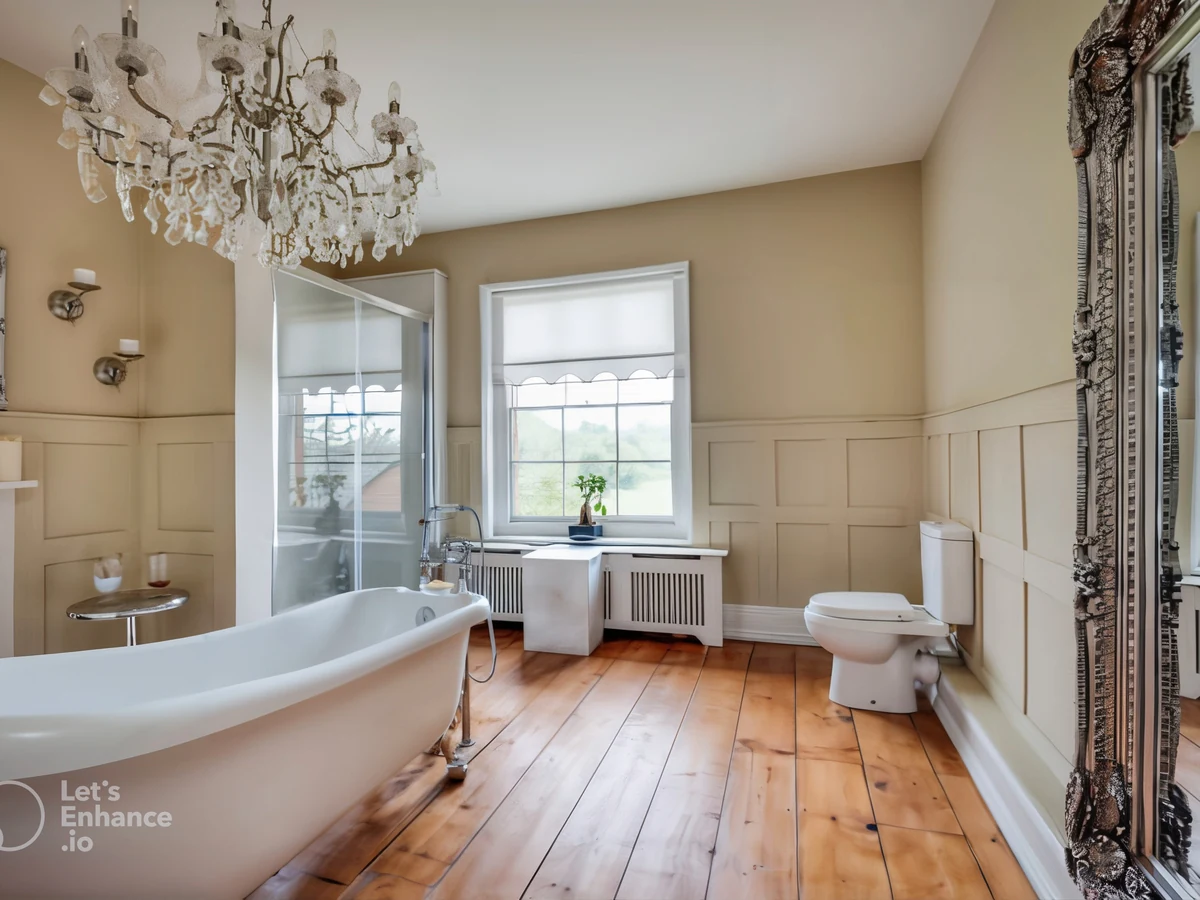
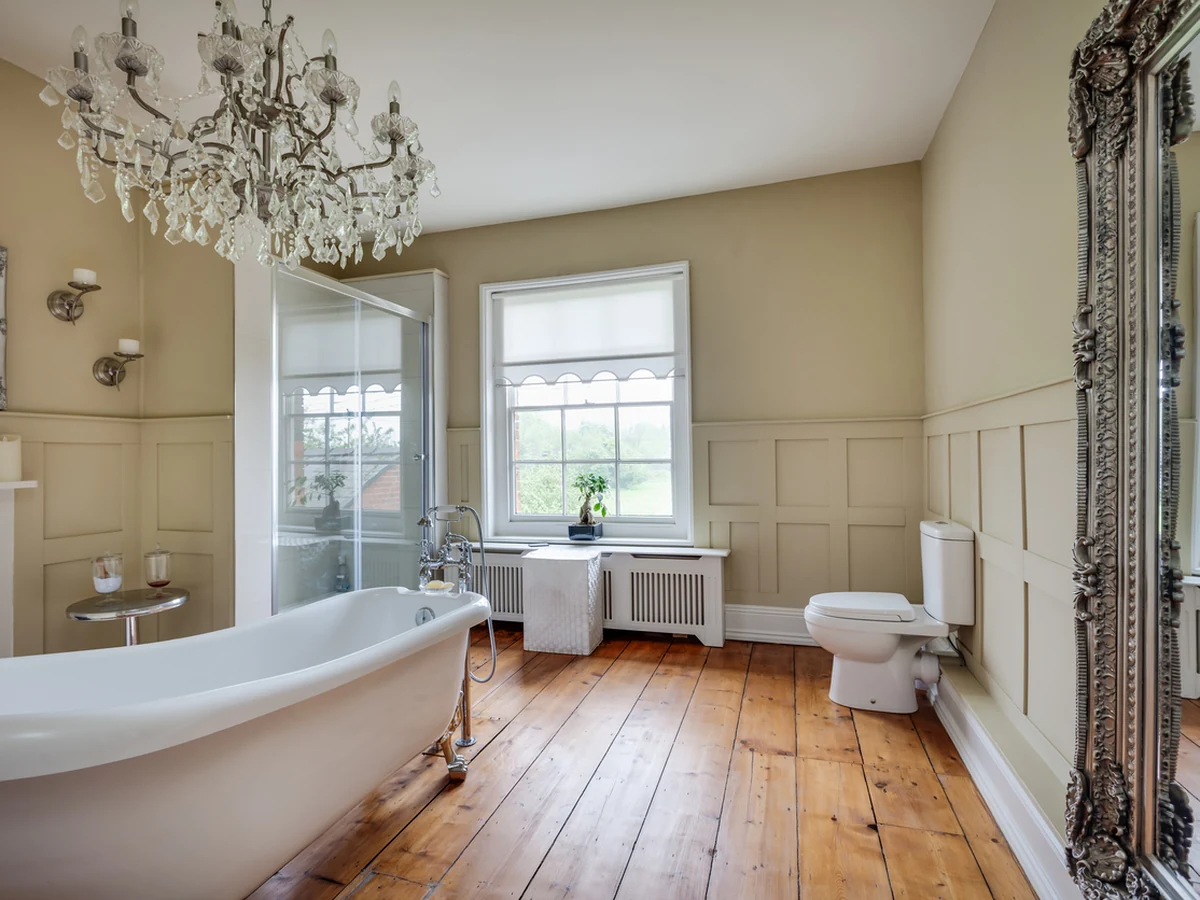
Here’s How It Works
1. Assessment of period features.
Your decorator visits and assesses the property’s period features. Your decorator notes cornicing, ceiling roses, moulded plasterwork, and original joinery. Your decorator checks for paint thickness buildup and any damage requiring restoration before painting.
2. Preparation and restoration.
Gentle preparation is the key. Your decorator removes loose paint carefully, avoiding sanding through to bare plaster. Cornicing is gently cleaned with a soft brush. Ceiling roses are assessed for restoration.
3. Priming with breathable systems.
Breathable primer is applied to lime plaster. Timber joinery gets specialist wood primer. The right primer for each surface type is what makes the finish last on period properties.
4. Paint application.
Paint is applied carefully, with hand-cutting at every junction with moulded detail. Ceilings are painted first, avoiding splatter on cornicing. Each coat gets adequate drying time.
5. Final inspection and detail finishing.
Every period feature is inspected closely. Any runs, splatter, or uneven coverage on moulding is touched up by hand. Your decorator walks through the property with you before finishing.
Period Property Painting Costs in Worthing
Cost Factors
Prices below are estimates only. Every period property is different.
Full period-spec interior repaint of a three to four-room property typically costs between £4,800 and £7,500, including careful period feature handling and heritage paint ranges if requested.
Three things drive the price:
Cornicing and period feature complexity. High ceilings with extensive moulding take longer to prepare and paint. More detail means more hand-cutting time.
Paint system selection. Standard trade paint costs less than heritage ranges. Breathable masonry and lime-compatible systems cost more than standard emulsion.
Plaster condition. Original plaster in good condition is easier to prepare. Heavily damaged plaster or multiple paint layers require more careful preparation.
Trade insight. Montague Street Edwardian properties are larger than average period homes, with higher ceilings and more elaborate cornicing. Budget accordingly for the extra detail work.
Typical ranges:
Single period room repaint (Edwardian semi, Heene area, high ceiling with cornicing): £850 to £1,500 depending on room size and moulding complexity.
Full three-room period flat (Central Worthing Victorian conversion, original features throughout): £3,200 to £5,000 including careful detail work.
Full four-room Edwardian terrace (Montague Street, all original features and high ceilings): £4,800 to £7,500 with heritage paint range and full restoration scope.
For a full interior repaint including period properties, see our interior painting page. For exterior masonry and render on period properties, see our exterior painting page. For wallpapering period rooms with original plaster, see our wallpapering page.