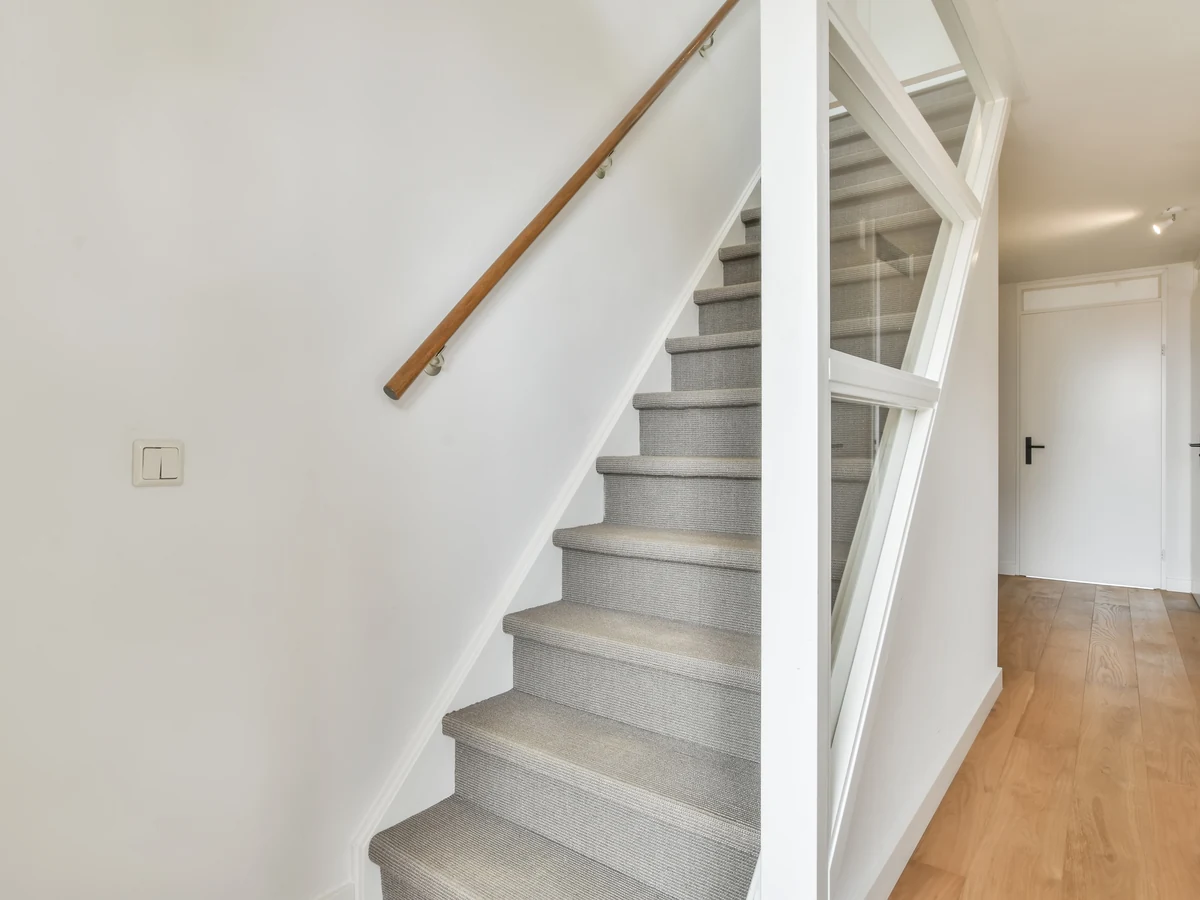
Staircase Painters in Worthing
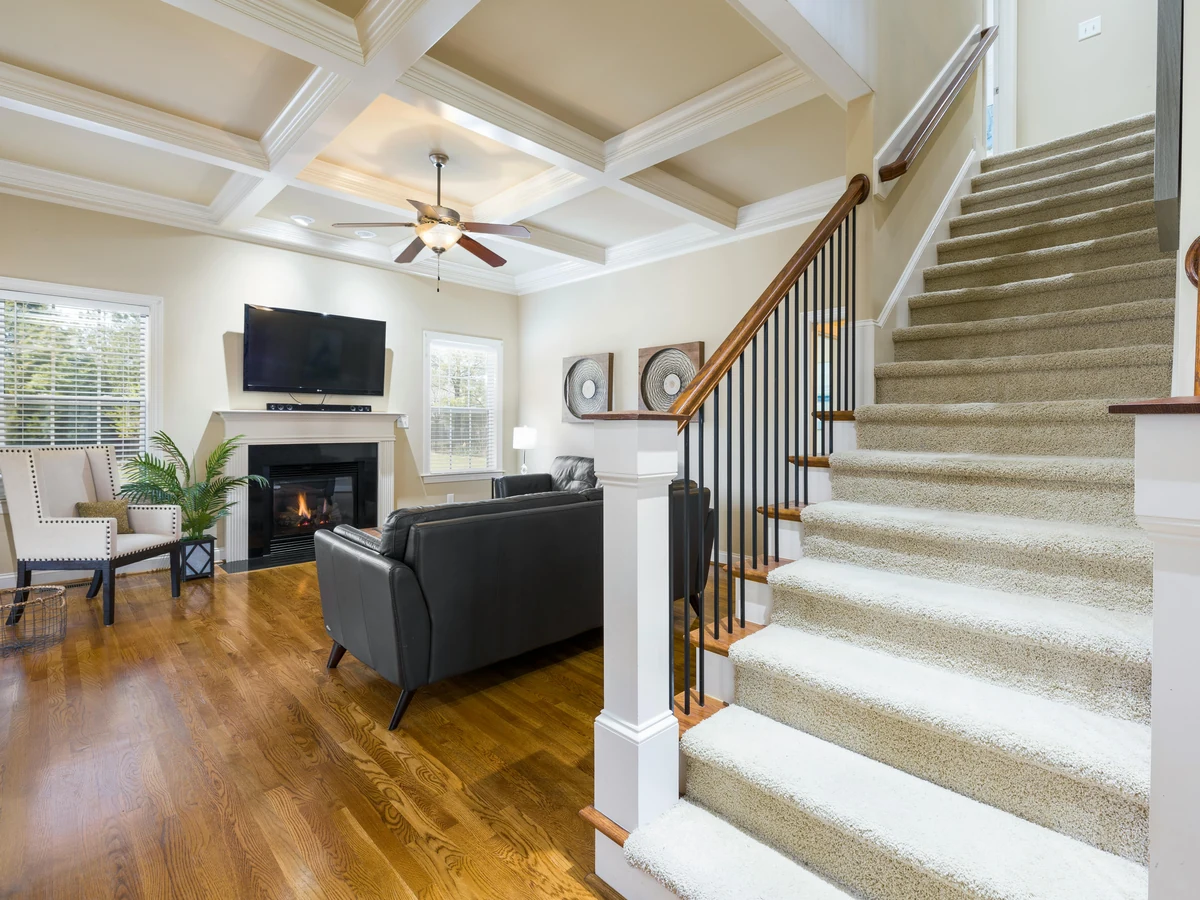
Worthing Painters connects Worthing homeowners with trusted local staircase painters across Worthing and the surrounding West Sussex coast, including Goring-by-Sea, Lancing, Rustington, Angmering, Findon Valley, Broadwater, and Shoreham-by-Sea.
- Balusters and spindles
- Handrail and newel post finishing
- Stair risers and treads
- Victorian and Edwardian staircases
Converted period flats in the Victorian stock of Central Worthing near the seafront gardens often share original communal staircases with multiple occupants. High-traffic staircase painting requires a harder-wearing finish and careful scheduling to minimise disruption to all residents. Staircase painting is part of the full interior painting service, typically coordinated with hallway and landing in one programme.
How Worthing Painters Works
Worthing Painters connects Worthing homeowners with a trusted local decorator.
From the first site visit to the written quote, the work, and the guarantee that backs it, everything is handled directly between you and your decorator. We make the introduction and stay on hand; they do the work and stand behind it.
Why Choose Worthing Painters
Staircase Specialists
High-traffic finishes on banisters, spindles, and stair risers.
Clear Pricing
Your decorator provides a written quote for the agreed scope.
Fully Insured
Your decorator carries full public liability cover on every job.
Highly Recommended
Much of the work here comes from repeat clients and referrals.
Staircase Painting Services
Balusters and Spindles
Staircase balusters and spindles are high-traffic areas that receive hand contact and occasional impact. Durable finishes that tolerate wear are essential.
Your decorator paints balusters and spindles in a satin or eggshell finish that is more durable than matt emulsion and easier to wipe clean of marks and dust.
Handrail and Newel Post
Handrails and newel posts receive constant hand contact. Your decorator uses satin finish that is smooth to touch and durable enough to withstand regular use without showing wear.
Colour choice on handrails can coordinate with the staircase or provide contrast. Your decorator advises on colour during the site visit.
Stair Risers and Treads
Stair risers (the vertical faces between treads) and treads (the horizontal steps) require different finishes. Treads need grip and durability.
Risers can be painted with standard interior paint. Your decorator uses satin or eggshell finishes on risers and treads, which are more durable than matt emulsion in high-traffic areas.
Understairs Area
The area under an open staircase is sometimes painted a different colour to define the zone. Your decorator paints understairs walls or storage areas as part of the staircase scope.
Victorian and Edwardian Staircases
Period staircases often have original timber balusters, spindles, and handrails that are features in their own right. Your decorator paints these carefully to preserve their character.
Masking around period detail requires care to avoid splatter on moulded elements.
Here’s How It Works
1. Staircase assessment.
Your decorator visits and assesses staircase condition, material (timber or other), and existing finish. Any period features or special requirements are noted.
2. Surface preparation.
Balusters and handrails are cleaned. Loose paint is removed. Surfaces are sanded lightly to accept new paint. Any damage is repaired.
3. Masking and protection.
Treads are masked if they are not being painted. Walls flanking the staircase are protected from paint splatter.
4. Paint application.
Risers and handrails are painted first. Balusters and spindles are painted carefully to ensure even coverage on all surfaces. Satin or eggshell finishes are used for durability.
5. Final inspection and access restoration.
Once dry, masking is removed and the staircase is inspected. The staircase is safe to use. Any touch-ups are completed.
Staircase Painting Costs in Worthing
Cost Factors
Prices below are estimates only. Every staircase is different.
Staircase repainting typically costs between £450 and £1,100, depending on staircase size and complexity.
Three things drive the price:
Number of balusters and spindles. More spindles means more surface area to paint. Open staircases with many spindles cost more than closed staircases.
Staircase height and flights. A two-storey staircase costs more than a single-flight staircase. Multiple flights require more masking and protection.
Complexity of spindle design. Simple straight spindles are quicker than ornate, period spindles. Period detail requires more careful masking and hand-cutting.
Trade insight. Central Worthing converted properties often have shared communal staircases with high traffic. These require durable finishes and careful scheduling.
Typical ranges:
Single-flight domestic staircase (15-20 spindles, basic balusters): £450 to £650.
Two-storey staircase (25-35 spindles, full height): £650 to £1,000.
Communal period staircase (Central Worthing conversion, Victorian detail, high traffic): £750 to £1,300 depending on complexity and shared-access constraints.
For hallway and landing painting alongside the staircase, see our hallway painting page. For a full interior repaint including the staircase, see our interior painting page. Victorian and Edwardian period staircases are covered in full on our period property painting page.